Buying a car is an exciting experience, but it can also be risky if you’re not careful. In 2025, car scams and fraudulent schemes are becoming increasingly sophisticated, targeting both new and used car buyers. From hidden fees to misrepresented vehicles, knowing how to protect yourself is essential for a safe and confident purchase.
Buying a car is an exciting experience, but it can also be risky if you’re not careful. In 2025, car scams and fraudulent schemes are becoming increasingly sophisticated, targeting both new and used car buyers. From hidden fees to misrepresented vehicles, knowing how to protect yourself is essential for a safe and confident purchase. This guide will explain how to avoid scams and fraud when dealing with car dealers, providing practical tips to ensure a secure and trustworthy car-buying experience.
Understanding Common Car Dealer Scams
Before learning how to avoid scams, it’s important to understand the types of fraudulent activities that exist:
Odometer Fraud – Rolling back the odometer to make a car appear less used than it actually is.
Title Washing – Altering the car’s title to hide previous accidents, damage, or flood history.
Fake or Inflated Warranties – Selling warranties that are misleading or don’t cover essential repairs.
Bait-and-Switch Tactics – Advertising a car at a low price, then pressuring buyers to purchase a more expensive model.
Payment Fraud – Requests for unusual payment methods or upfront deposits without proper documentation.
Misrepresented Vehicle Condition – Hiding mechanical issues, accidents, or damage to make the car appear flawless.
By knowing these common scams, you can remain vigilant and ask the right questions to protect yourself.
Research the Dealer Thoroughly
One of the most effective ways to avoid fraud is to research the dealer before visiting. Check the dealer’s reputation online using resources such as:
Google Reviews and Yelp – Look for patterns of complaints or positive feedback.
Better Business Bureau (BBB) – Verify if the dealer is accredited and check for unresolved complaints.
Manufacturer or Dealer Associations – Authorized dealers for new and certified pre-owned vehicles are generally more trustworthy.
A dealer with a transparent history and positive reputation is less likely to engage in deceptive practices.
Verify the Vehicle’s History
Before purchasing a used or certified pre-owned vehicle, always request a detailed vehicle history report from reliable sources like CARFAX or AutoCheck. This report provides crucial information about:
Previous accidents or flood damage
Odometer readings and potential rollback
Past ownership and service records
Title issues or recalls
For certified pre-owned vehicles, ask the dealer to provide inspection reports and documentation of any repairs or refurbishments. This transparency helps you avoid cars with hidden problems.
Inspect the Vehicle Thoroughly
A personal inspection is essential. Even if a car looks perfect in photos or online, physical inspection may reveal hidden issues. Consider the following:
Check for rust, dents, or paint inconsistencies.
Test all electronics, lights, brakes, and tires.
Take the car for a test drive to evaluate handling and engine performance.
For additional security, hire a trusted mechanic for an independent inspection, especially for used cars. A professional evaluation can uncover issues that the dealer might have overlooked—or intentionally hidden.
Ask Clear Questions About Financing and Fees
Scams often occur in the financing process. Dealers may add hidden fees or misrepresent interest rates. To protect yourself:
Ask for a detailed breakdown of all costs, including taxes, registration, and dealer fees.
Verify the interest rate, loan term, and monthly payments before signing.
Avoid financing offers that seem too good to be true without reading the fine print.
Never provide personal or financial information until you are confident in the dealer’s credibility.
Understanding the full cost prevents you from being caught off guard by unexpected charges or fraudulent loan terms.
Avoid Pressure Tactics
Fraudulent dealers often use high-pressure sales tactics to force quick decisions. Common signs include:
Urgency to sign contracts immediately
Statements like “This deal won’t last” or “You must decide now”
Avoiding questions or dismissing concerns
Take your time, ask questions, and don’t hesitate to walk away if something feels off. A trustworthy dealer will respect your need to think before committing.
Use Secure Payment Methods
Always use traceable and secure payment methods. Avoid:
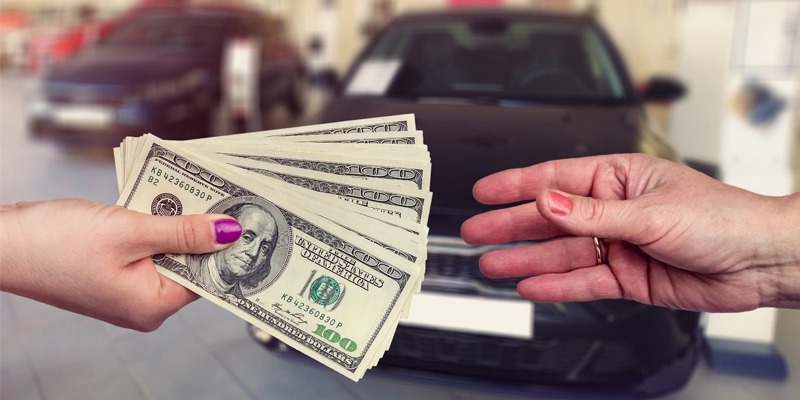
Cash payments for high-value transactions without documentation
Wire transfers to unknown accounts
Personal checks that are not verified
Secure payment ensures there is a record of your transaction, which can be essential if disputes arise.
Understand Return and Warranty Policies
Clarify the dealer’s return, exchange, and warranty policies before purchase. Ask for everything in writing and read contracts carefully. A reputable dealer will provide:
Clear warranty coverage for new or certified pre-owned vehicles
Information about returns or exchanges if the car is defective or misrepresented
Documentation of repairs, inspections, or promised services
Knowing your rights protects you from being taken advantage of after the sale.
Trust Your Instincts
Finally, trust your instincts. If a deal feels too good to be true, or if the dealer seems evasive, it’s better to walk away. Taking the time to research, inspect, and ask questions reduces the likelihood of falling victim to scams.
Frequently Asked Questions (FAQ)
Q1: How can I verify if a dealer is legitimate?
A1: Check online reviews, BBB accreditation, manufacturer authorization, and dealer associations. A reputable dealer will have a transparent track record and positive customer feedback.
Q2: What should I do if I suspect a scam?
A2: Do not proceed with the purchase. Report suspicious activity to consumer protection agencies, local authorities, or the Federal Trade Commission (FTC) in the U.S.
Q3: Are online car dealers safe?
A3: Reputable online dealers with secure platforms, verified vehicle listings, and transparent policies can be safe. Always verify reviews, vehicle history, and payment security before buying.
Q4: Should I get an independent inspection for every used car?
A4: Yes. Even certified pre-owned cars can have hidden issues. Independent inspections provide an extra layer of protection and assurance.
Q5: How can I avoid hidden fees in dealer contracts?
A5: Ask for a full breakdown of all costs, review the contract thoroughly, and clarify any unclear terms before signing. Transparent dealers will provide detailed written documentation.
Conclusion
Avoiding scams and fraud when dealing with car dealers in 2025 requires preparation, research, and vigilance. Always verify the dealer’s reputation, inspect the vehicle thoroughly, ask clear questions about pricing and financing, and use secure payment methods. Trustworthy dealers will provide transparency, detailed documentation, and respect for your decision-making process.
By following these tips and trusting your instincts, you can enjoy a safe and confident car-buying experience, securing a vehicle that meets your needs and budget without falling victim to fraud or deceptive practices.