Buying a used car can be a smart financial decision, but it also comes with risks if you don’t know what to look for. A car might appear perfect on the outside, but hidden issues can turn your dream deal into a costly mistake. Knowing how to inspect a used car before buying is
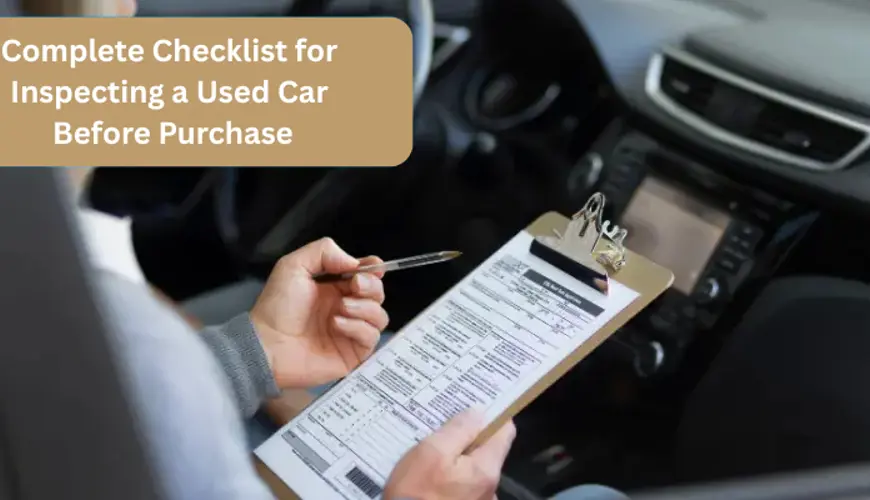
Buying a used car can be a smart financial decision, but it also comes with risks if you don’t know what to look for. A car might appear perfect on the outside, but hidden issues can turn your dream deal into a costly mistake. Knowing how to inspect a used car before buying is essential to make an informed purchase. This complete checklist will guide you step by step to ensure the car you choose is safe, reliable, and worth your investment.
Why Inspecting a Used Car Is Crucial
Used cars vary in quality, depending on how well they were maintained by previous owners. Even popular, reliable models can have hidden problems such as engine wear, frame damage, or electrical issues. A thorough inspection not only protects your money but also ensures your safety and minimizes future repair costs. Skipping this step could lead to unexpected breakdowns or expensive repairs, which might outweigh any initial savings.
Step 1: Check the Vehicle History
Before physically inspecting a car, start with its vehicle history report. Services like Carfax or AutoCheck can provide details about past accidents, flood damage, ownership history, and maintenance records. Key things to look for include:
Accidents or major repairs
Consistency of mileage with the car’s age
Title status (salvage, rebuilt, or clean)
Previous use (personal, rental, or fleet)
A history report gives you valuable insight into potential red flags and helps you decide whether the car is worth further inspection.
Step 2: Examine the Exterior
Next, perform a careful visual inspection of the exterior. Pay attention to the following:
Paint and body panels: Look for scratches, dents, or uneven paint, which may indicate previous accidents or poor repairs.
Rust: Check wheel wells, underbody, door edges, and around the windshield for signs of corrosion.
Frame alignment: Ensure doors, hood, and trunk line up properly. Misaligned panels may indicate frame damage.
Lights and glass: Test headlights, brake lights, indicators, and look for cracks or chips in the windshield and windows.
Tires: Inspect tread depth, uneven wear, and check for sidewall cracks or bulges. Uneven wear could signal suspension or alignment issues.
A careful exterior inspection can reveal both cosmetic and structural problems.
Step 3: Inspect the Interior
A car’s interior shows a lot about how well it was cared for. Check for:
Seat condition: Look for tears, stains, or unusual wear patterns.
Dashboard and controls: Test the functionality of buttons, knobs, and the infotainment system.
Odors: Musty or chemical smells could indicate water damage or mold.
Floor mats and carpets: Look for dampness or stains, which could suggest leaks.
Seatbelts and airbags: Ensure seatbelts retract properly and airbags have no warning lights on the dashboard.
A clean, well-maintained interior often reflects a responsible previous owner.
Step 4: Check Under the Hood
The engine and components under the hood are critical. Key areas to inspect include:
Engine condition: Look for leaks, corrosion, or worn belts.
Fluids: Check oil, transmission fluid, brake fluid, and coolant levels. Dark or dirty fluids may indicate neglect.
Battery: Look for corrosion around terminals and check the manufacturing date.
Hoses and belts: Ensure there are no cracks or signs of wear.
Strange smells or noises: Listen for unusual engine sounds when starting the car.
If you’re unsure about mechanical aspects, consider hiring a certified mechanic to perform a thorough inspection.
Step 5: Test the Car’s Performance
A test drive is crucial to evaluate the car’s performance under real conditions. During the drive, pay attention to:
Engine response: Smooth acceleration and no hesitation.
Transmission: Smooth gear changes with no slipping or jerking.
Steering and handling: The car should track straight, and steering should feel responsive.
Brakes: Test braking at different speeds. There should be no squealing, vibrations, or pulling to one side.
Suspension: Drive over bumps to check for excessive bouncing or noises.
Cruise control and other features: Test electronics, AC, and other key systems.
A test drive often reveals issues that may not be visible in a parked inspection.
Step 6: Review the Tires and Suspension
Tires and suspension greatly affect safety and driving comfort. Check:
Tire wear: Uneven wear could indicate alignment problems or worn suspension parts.
Suspension components: Inspect shocks, struts, and springs for leaks, rust, or damage.
Ride comfort: Listen for clunks or rattles while driving on uneven surfaces.
Properly functioning tires and suspension ensure safer handling and a smoother ride.
Step 7: Evaluate the Electronics
Modern cars have many electronic components. Make sure to test:
Infotainment system, radio, and speakers
Power windows, locks, and mirrors
Climate control, air conditioning, and heating
Safety features such as ABS, traction control, and backup cameras
Malfunctioning electronics can be costly to repair, so it’s best to catch issues early.
Step 8: Verify Paperwork
Finally, confirm all legal and maintenance documents:
Title and registration: Ensure they match the seller’s information.
Service records: Verify routine maintenance, oil changes, and repairs.
Warranty or CPO coverage: Some cars may still be under manufacturer warranty or certified pre-owned programs.
Having complete paperwork ensures a smooth and safe transaction.
FAQ
Q1: Should I hire a mechanic for a used car inspection?
Yes. Even if you’re knowledgeable, a certified mechanic can identify hidden problems that aren’t visible to the untrained eye.
Q2: How much does a pre-purchase inspection cost?
Typically, it ranges from $100 to $200, depending on the shop and the car’s complexity. It’s a small price for peace of mind.
Q3: What are common red flags in a used car?
Look for inconsistent mileage, excessive rust, leaks, unusual noises, and signs of accidents. These often indicate future problems.
Q4: Can a used car still be reliable if it has high mileage?
Yes. Many cars, especially brands like Toyota and Honda, can last well over 200,000 miles if properly maintained. Mileage should be considered alongside maintenance history.
Q5: Is it better to buy from a dealer or a private seller?
Dealers may offer warranties and financing, while private sellers often have lower prices. Choose based on your comfort, budget, and willingness to negotiate.
Conclusion
Inspecting a used car before buying is one of the most important steps to ensure you make a smart investment. From checking the vehicle history and exterior to inspecting the engine, suspension, and electronics, each step of this checklist helps you identify potential issues and avoid costly mistakes. Taking the time to thoroughly inspect a car—and seeking professional help when needed—ensures you drive away with a reliable, safe, and value-for-money vehicle. Remember, careful inspection today can save thousands of dollars and prevent headaches tomorrow.